"Bandolerismo" in the Axarquía - "Legajos Sueltos"
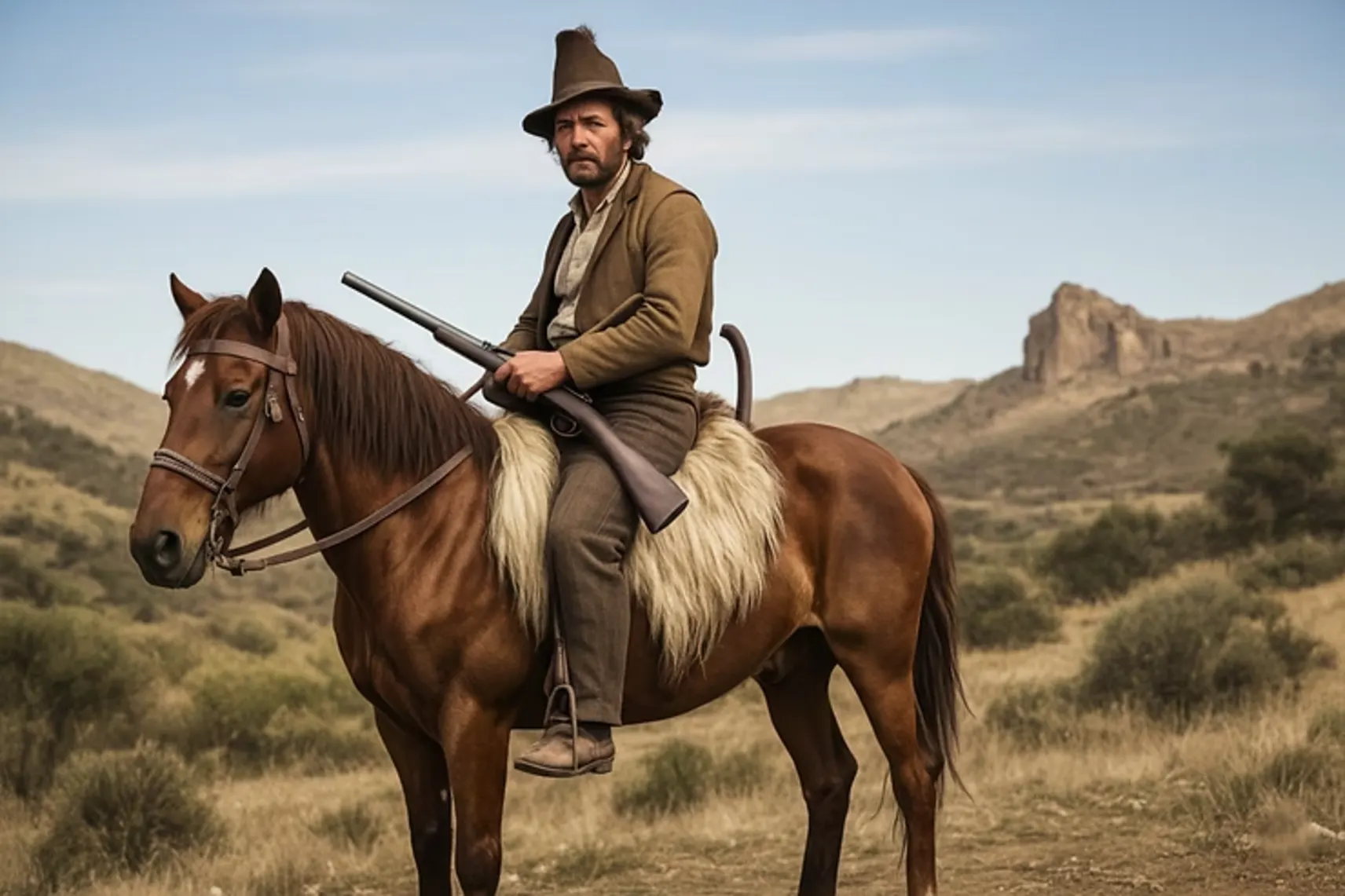
"Bandolerismo" in the Axarquía was not merely a series of robberies and manhunts, but a social phenomenon deeply rooted in the rugged landscape of Málaga. Unlike the romanticised view often presented to us through film or literature, the reality of these men was defined by survival, defiance in the face of injustice, and an intimate knowledge of the Sierras de Tejeda, Almijara and Alhama. In this landscape of gorges and caves, real-life figures gave rise to a mythology that still resonates today in the white villages of the region, blending fear with a strange sense of popular admiration.
To understand the legend, it is essential to examine the context of the 18th and 19th centuries, when the bandit became a symbol of resistance. In the Axarquía, the terrain was not merely a refuge, but a strategic ally that enabled historical figures to evade the ‘Migueletes’ and, later, the "Guardia Civil". However, behind the image of the ‘generous hero’ who robbed the rich lay a life of extreme hardship, violence and isolation. This contrast between romantic idealisation and harsh historical reality is what defines the essence of Malaga’s banditry, a legacy that has left an indelible mark on our culture and our trails.
To explore this route today is to take a journey into Andalusia’s past, rediscovering the hidden corners where history and legend merge. From the ambushes on the old bridle paths to the tales of betrayal and honour in the taverns of yesteryear, the Axarquía holds secrets that go far beyond the pages of history books. If you’d like to find out more about the people involved, the exact locations of their hideouts and the events that marked the end of this era, we invite you to delve into this detailed analysis of this fascinating chapter in our history.
Key points for understanding this phenomenon:
- The mountains as natural fortresses: the rugged terrain of the Sierras de Tejeda, Almijara and Alhama provided the perfect setting. The caves and narrow passes not only served as hiding places, but also allowed the bandits to keep a visual watch on any movements by government troops, making the Axarquía an almost impregnable region.
- Bandits versus the Authorities: for decades, groups such as the ‘Migueletes’ (local militias) and, later, the Civil Guard, waged a constant struggle against these bands. The article examines how knowledge of the terrain was often more effective than firearms.
- Socio-economic causes of banditry: far from being mere criminals, many took to the hills out of necessity or because of the injustices of the large-scale landowning system. The post on Legajos Sueltos explores how extreme poverty in 19th-century rural Málaga was the main driving force behind the rise of banditry.
- Heroes or Villains: the age-old debate between common criminals and ‘social vigilantes’. New data has come to light that helps distinguish between the fiction of foreign romantic writers (who sought exoticism in Spain) and actual historical records of robberies and extortion.
- Cultural Heritage and Tourism: today, banditry has been transformed into a cultural asset. From hiking trails that follow in the footsteps of the past to the local cuisine, the Axarquía region has successfully incorporated its rebellious past as a defining feature that attracts travellers from all over the world.
If you’re passionate about the true history of our region and want to discover the lesser-known details about these figures who left their mark on the province of Málaga, we recommend reading the full original article.