A new perspective on the abyss: the Gorge of the Tajo de Ronda Walkway opens
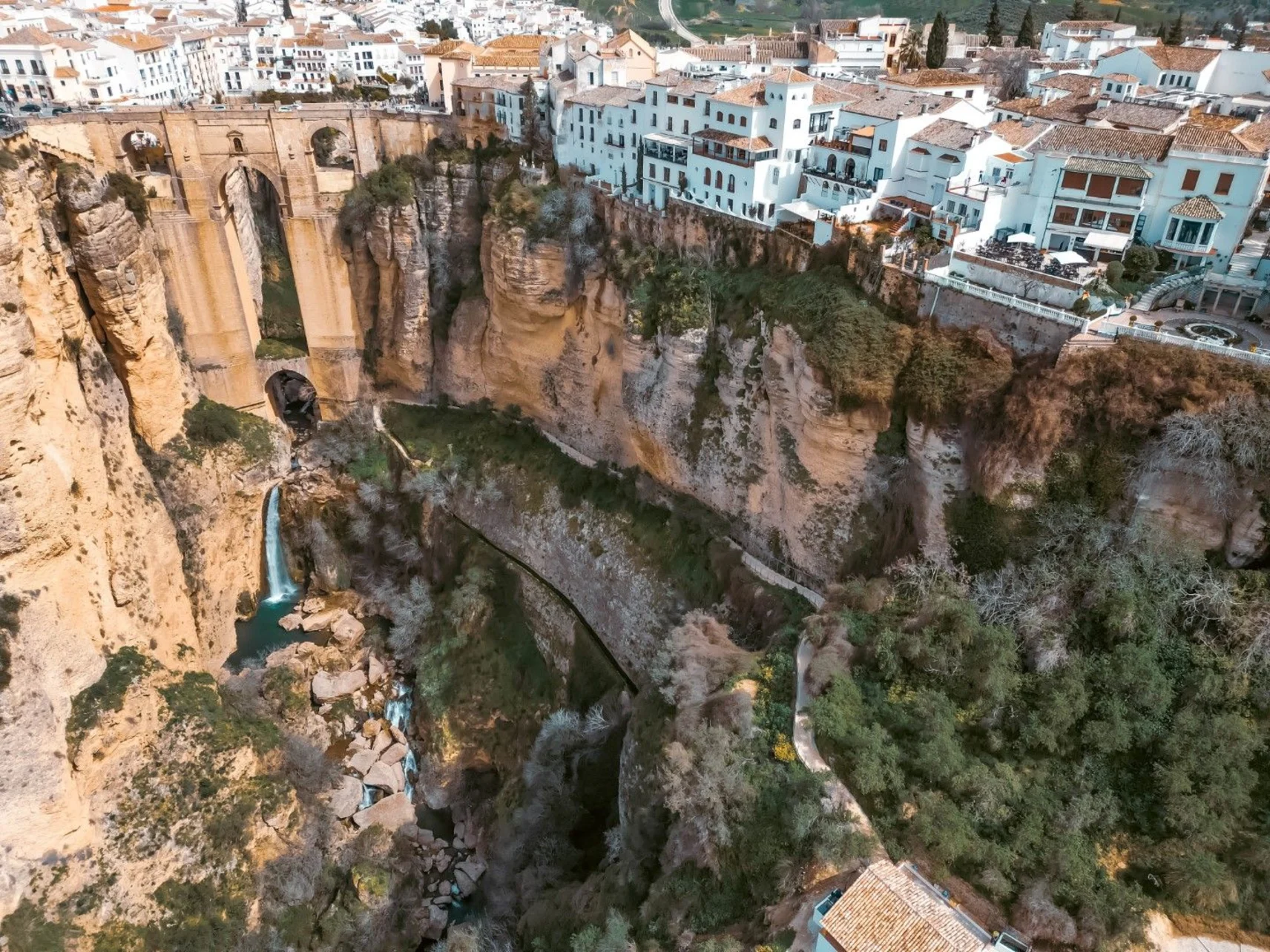
Experiential tourism is defined by the search for viewpoints capable of transforming our relationship with the most iconic destinations. In these southern lands, few settings have captivated the imagination of travellers, poets and artists as much as the imposing rocky sheer cliff of the "dreamt city".
Today, contemplating this natural wonder from the upper viewpoints is no longer the only option: the official opening of the Camino del Desfiladero del Tajo de Ronda marks a historic milestone that allows visitors, for the first time, to step safely and responsibly into the very heart of this natural monument.
The Project: uniting history and nature under the Puente Nuevo
The culmination of the Tajo - Gorge project represents an achievement in engineering and landscape respect. Following the success of the first phase, which opened the path from the Plaza de María Auxiliadora down to the very base of the iconic Puente Nuevo, the launch of the second phase completes a continuous pedestrian itinerary of nearly one kilometre in length. The new walkway, designed by the prestigious architecture studio of Luis Machuca —the mastermind behind the famous Caminito del Rey—, rises three metres above the bed of the Guadalevín River under strict criteria of sustainability and landscape integration.
The route leads the walker underneath the imposing stone arches of the bridge, which is over 200 years old, allowing them to take in the colossal geological fracture of more than a hundred metres deep from a breathtaking vertical perspective. The path runs enclosed between the high walls of limestone and sandstone rock, home to several species of birds of prey, before concluding elegantly next to the old Hermitage of San Miguel, in the immediate vicinity of the historic Arab Baths.
- Starting point: Plaza de María Auxiliadora (Plaza del Campillo), descending towards the old Casa de Manolillo.
- Finishing point: The surroundings of the Padre Jesús neighbourhood and the Arab Baths, revitalising one of Ronda’s most traditional quarters.
- Management and access: coordinated by the municipal company Turismo de Ronda, general admission has a fee of 12 euros, requires prior booking on the official website, and the mandatory use of a safety helmet due to strict environmental conservation regulations.
Redistributing flows and travellers
Beyond being an undeniable attraction for adventure and contemplation, the Tajo Gorge walkway is born with a clear strategic purpose: to diversify the visitor experience and promote a tourism of longer stays and higher quality within the Serranía.
By diverting part of the foot traffic away from the crowded traditional commercial arteries —such as Tenorio or Armiñán streets—, the path naturally channels travellers towards the historic neighbourhoods of El Arrabal and Padre Jesús.
This unprecedented pedestrian link invites visitors to lose themselves in the less-trodden cobbled streets, supporting local trade, visits to artisan workshops, and a leisurely enjoyment of the extraordinary monumental heritage treasured within the old town.
An Immersive Experience on the routes through monumental Andalusia
Understanding and discovering the true essence of Ronda involves alternating the vibrant life of its squares with the awe-inspiring silence of its natural landscapes. For those travellers wishing to delve into this region at a measured pace, with tailored design and rigorous attention to detail, the destination reveals itself as one of the mandatory stops of the Malaga interior.
Through itineraries planned for small groups or in a strictly private format, the immersion into the city of the Tajo now combines the majesty of its classic viewpoints with the opportunity to witness the opening of this fascinating new path. It is a proposition designed for those seeking to decipher the secrets of Andalusian geography from within, intertwining the comfort of the transfer with the excitement of the great milestones redefining contemporary travel.