Geometry of Light and Stone: the Mosque-Cathedral of Córdoba
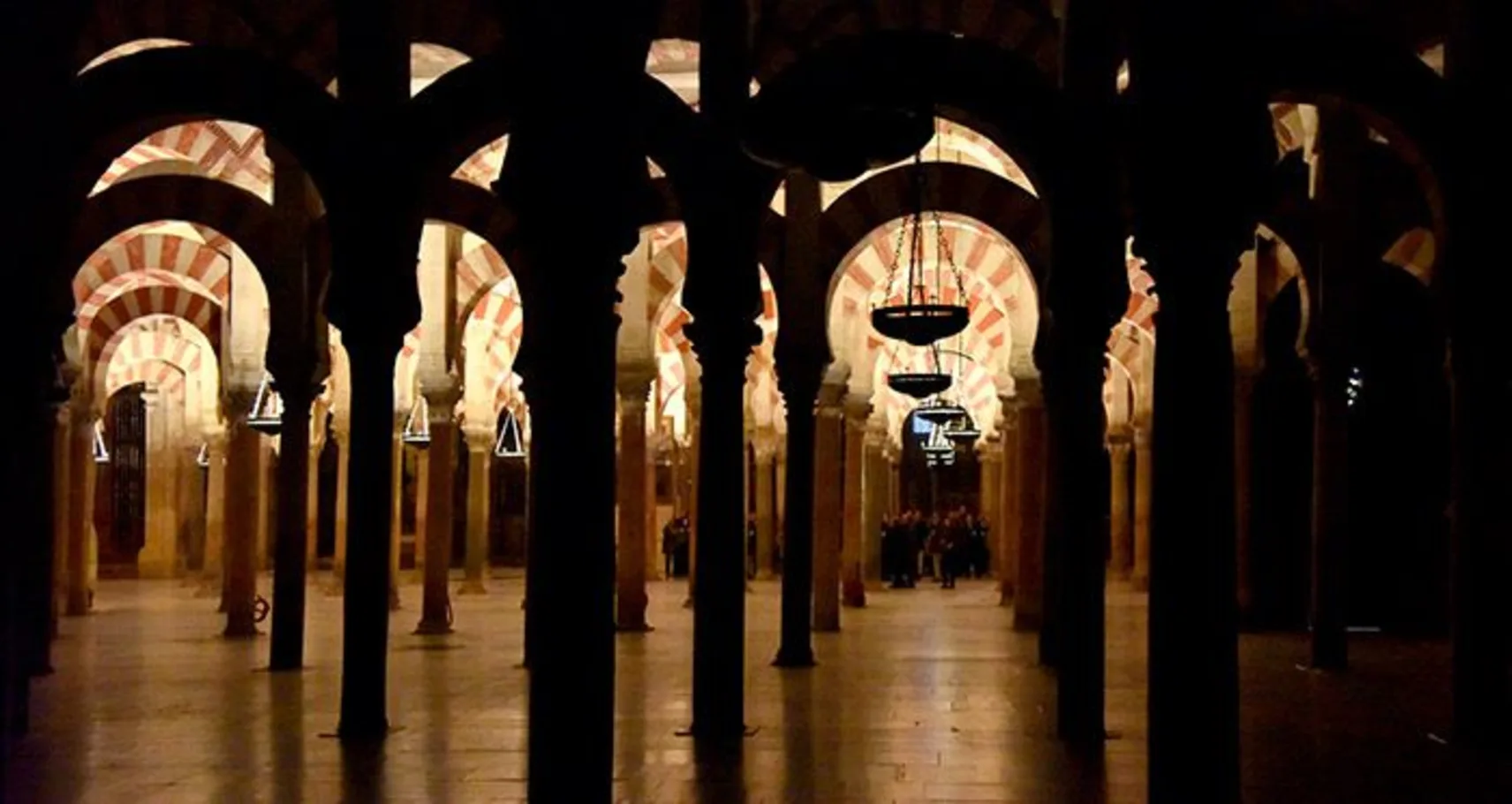
There are cities that are explored on foot, and others, like Córdoba, that are inhabited through shadow and echo. When the morning light slips between the jasper and porphyry shafts of the Mosque-Catedral, time seems to suspend itself in a silent pact between caliphal splendour and Renaissance audacity. This universal temple is no mere stop on the Andalusian map, but a manifesto in stone where the memory of the West and the architectural genius of an unrepeatable past converge.
The Forest of Columns: architecture of infinitud and silence
Stepping into this Cordoban monument entails immersing oneself in a spatial experience without equal. The core of its original design lies in its celebrated forest of columns—a hypostyle structure composed of hundreds of marble, jasper, and granite supports repurposed from Roman and Visigothic buildings. Above them rise the iconic double arches, combining horseshoe and semi-circular profiles in a distinctive two-tone palette. This technical solution not only provided the necessary ceiling height but also generated a carefully studied sense of spatial infinitud, designed to encourage introspection and spiritual reflection.
The centre of gravity within this harmonious labyrinth is the Mihrab, a masterpiece of Islamic art that stands out for the exquisite quality of its golden Byzantine mosaics and its monolithic ribbed dome. One of the particularities that most intrigues scholars is the orientation of the main wall: unlike the standard practice of facing Mecca, the Cordoban qibla faces south. This detail has for generations fuelled theories regarding the home-sickness and nostalgia for Umayyad origins, imbuing the visit with a profound sense of historical mystery.
The dialogue between the Caliphate and the Renaissance
The true conceptual turning point of the Mosque of Córdoba resides in its capacity to integrate change without erasing the past. In the 16th century, following the incorporation of the city into the Crown of Castile, the heart of the caliphal grid was chosen for the construction of an imposing Christian cathedral that seamlessly blends Gothic, Renaissance, and Baroque features.
Far from resulting in a violent rupture or the demolition of the Islamic temple, the final outcome fostered an unparalleled architectural dialogue. The presence of the lofty cathedral naves emerging from the middle of the Umayyad forest of arches eloquently narrates the successive layers of civilisation that have shaped the unique character of Andalusia.
The living memory of the Judería and its Three "Cultures"
The Cordoban experience expands naturally beyond the walls of the temple into the labyrinthine network of the medieval Judería (the Jewish Quarter)—a district declared a UNESCO World Heritage site that retains its urban layout of narrow streets and whitewashed walls. Walking through this maze allows visitors to connect with the intellectual legacy of universal figures such as the philosopher Maimonides.
Amongst its treasures, the Synagogue of Córdoba stands out as one of only three medieval synagogues remaining intact across the whole of Spain, complete with its characteristic decorative scheme of Mudéjar plasterwork. Nearby, iconic spots such as the famous Calleja de las Flores or the traditional courtyards reveal the daily pulse of a city that views aesthetics as an extension of nature itself.
An exclusive immersion from the Costa del Sol
For those travellers wishing to delve into this heritage epicentre at a leisurely pace, with rigorous attention to detail and a fully exclusive approach, the visit can be seamlessly coordinated from the province of Malaga. Through the guided experience of the Córdoba Privada Plus: Mezquita & Judería from Malaga excursion, a tailored itinerary is proposed. This includes complimentary private transport, the constant company of a specialised official guide, and access to the most coveted spaces of the ancient caliphal capital, guaranteeing an intimate experience.