Debunking the historical myths of La Axarquía: a journey into the Past
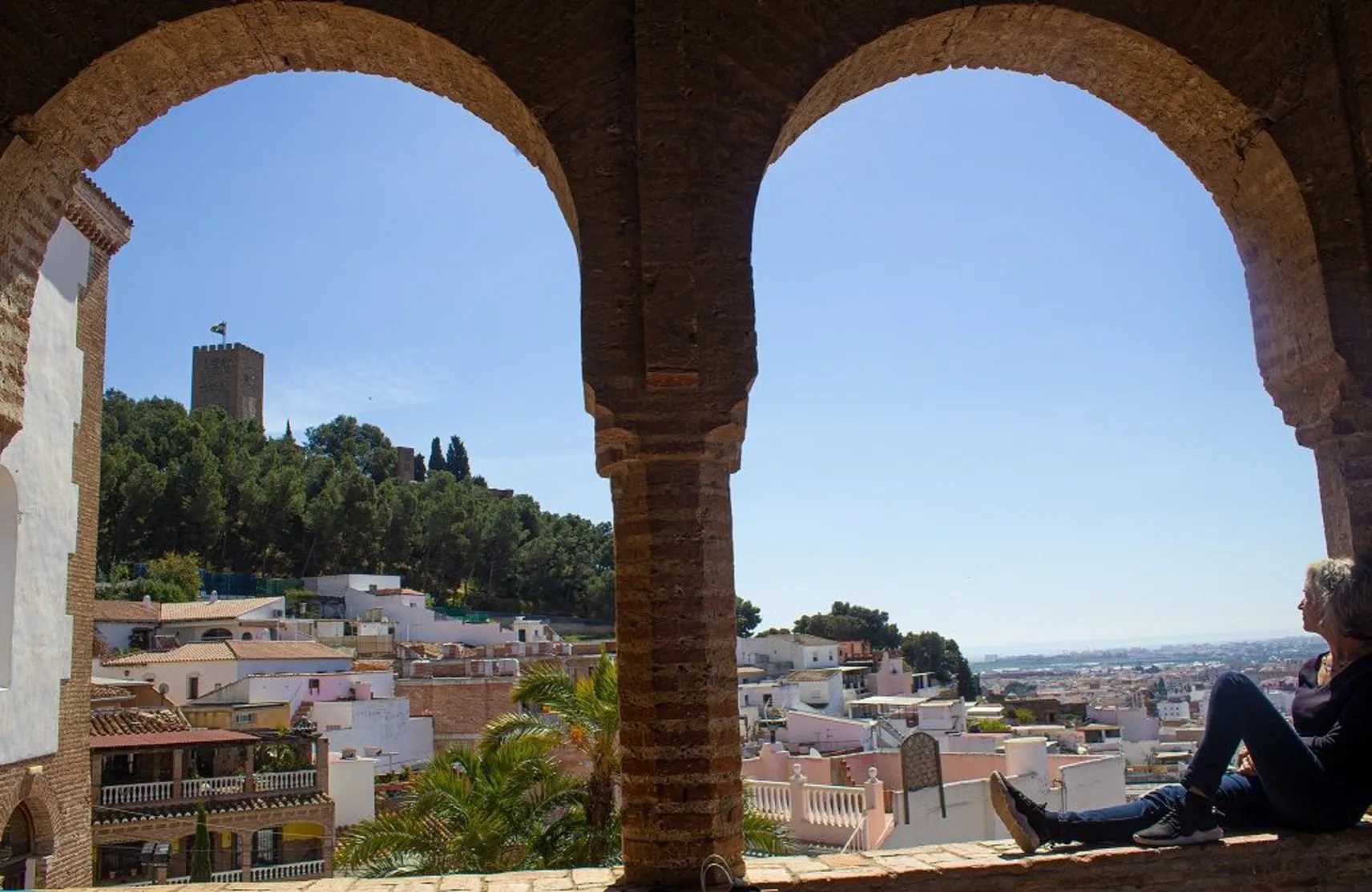
La Axarquía region is a magical land where history, landscape, and mysticism intertwine in a unique way. When exploring its white villages or walking along its coastlines, it is common to hear fascinating tales of hidden treasures, legendary characters, and besieged fortresses. However, popular tradition sometimes distorts reality.
To discover the true essence of our land, today we rely on the rigorous research carried out by our colleague Francisco Miguel González López in his informative notebook, Legajos Sueltos. Under the title "Debunking Historical Myths of the Axarquía", this study brings to light archival documents that contrast with the legends of old.
Join us as we unravel the 5 great enigmas analysed by the official source and discover how to experience real history on the ground.
Did Almanzor really born in Torrox?
One of the most deeply rooted myths of the eastern Malaga coast is the alleged Torrox-born origin of the fearsome Andalusian military leader Abu ʿAmir Muhammad ben Abi ʿAmir, known as Almanzor. Local tradition proudly defends this birthplace; however, historical research forces us to qualify this belief.
Although the figure of Almanzor is deeply linked to the legacy of Al-Ándalus in Malaga, official documents cast serious doubts on his exact birth in Torrox, reminding us of the need to separate folklore from verified facts.
The mystery of the San Sebastián Hermitage in Vélez-Málaga
The story has been passed down for generations that the squire of King Ferdinand the Catholic himself lies buried in the foundations of the emblematic San Sebastián Hermitage in Vélez-Málaga. This tale adds a heroic nuance to the Christian conquest of 1487. Nevertheless, scrutiny of the archives reveals that these types of narratives were usually created to sacralise or ennoble certain spaces after the seizure of the territory.
To see where this legend comes from, there is nothing better than immersing yourself in our tour of Vélez-Málaga and Caleta de Vélez. With the signature touch of our signature travel experiences, we take you on a journey through the historical centre of the capital of the Axarquía.
The fortress of Vélez and the war
Any visitor contemplating the restored remains of the Fortress or Alcazaba of Vélez-Málaga hears that the monument was devastated due to explosions caused by Napoleonic French troops during their retreat in the Peninsular War.
While the conflict wreaked havoc throughout Andalusia, research shows that attributing the total destruction exclusively to the French is an inaccurate oversimplification. The deterioration of the enclosure was a much longer process, driven by centuries of neglect and the reuse of its materials by the local population itself.
Marcus Licinius Crassus and the Treasure Cave
Located in Rincón de la Victoria, the Treasure Cave (Cueva del Tesoro) is world-famous for being one of the few marine caves open to visitors in the world. Around it revolves the myth that the Roman Marcus Licinius Crassus used it as a secret hiding place for months to flee from his political enemies in Rome. Popular fantasy has magnified the myth, linking it to fabulous hidden riches.
Thanks to various investigations, we understand that although the cave possesses an indisputable archaeological wealth ranging from prehistory to the Andalusian period, the presence of Crassus in this exact spot lacks solid documentary backing.
Did Anselmo, the Legendary Lighthouse Keeper of Torre del Mar, Ever Exist?
Seafaring stories have their own epic nature, and the figure of Anselmo—the devoted lighthouse keeper of Torre del Mar who supposedly risked his life in countless storms—forms part of the collective identity of the Axarquía coast.
Historical analysis reveals the truth behind the character: the mystique of the solitary lighthouse keeper responds more to the romantic idealisation of maritime trades during the 19th century than to the existence of a civil registry confirming his adventures as they are told.
Explore the authentic Axarquía with Travel Factory Andalucía
Discover with Travel Factory Andalucía our small-group experiences through the White Villages of the Axarquía, the Buddhist Stupa, and the Atalaya Tower. Likewise, our routes to Nerja, Frigiliana, and El Acebuchal are designed to truly connect with the local identity, steering clear of superficial tourist clichés.